The global industry standard for creating and sharing intelligence.

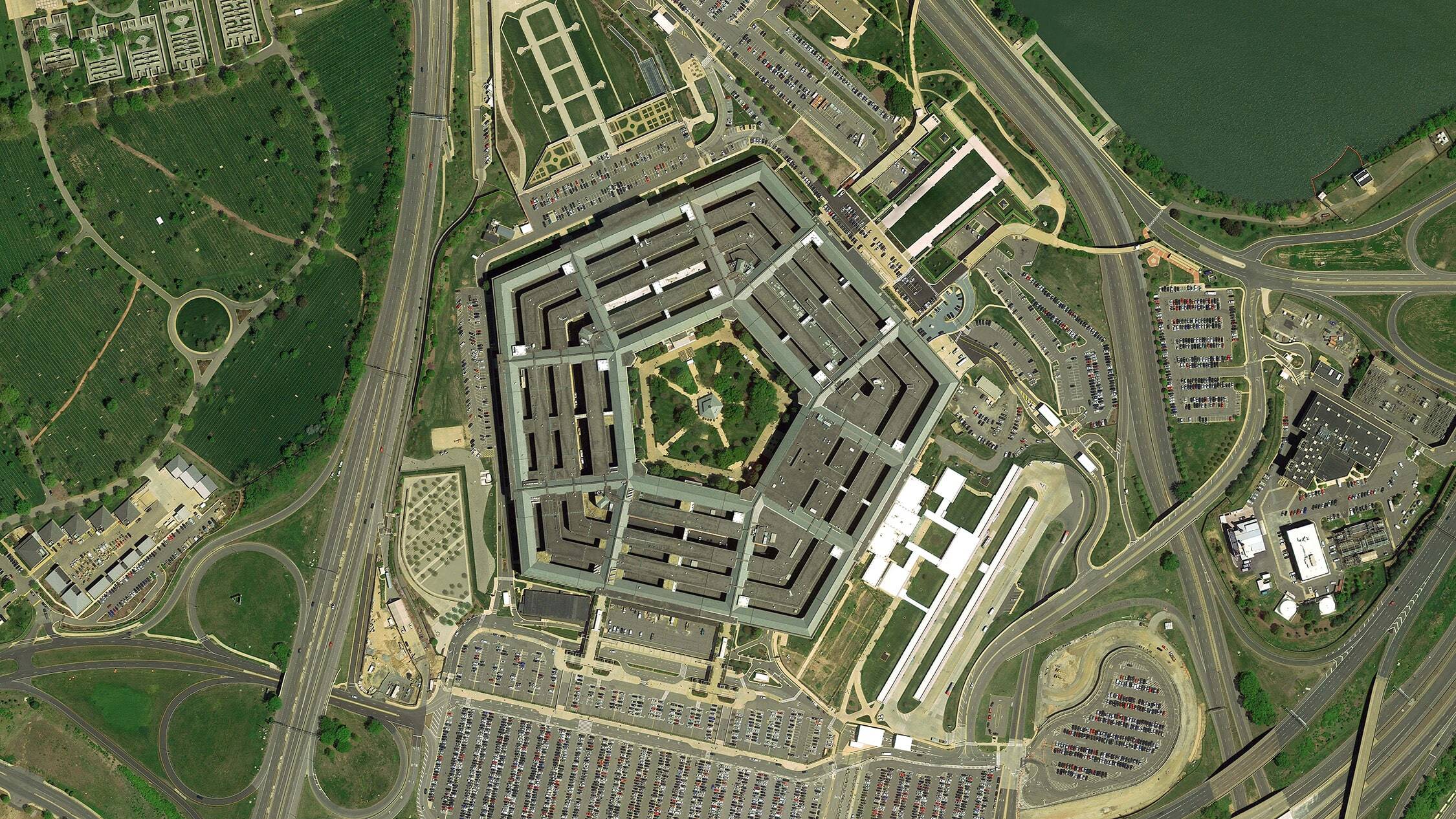
We support every stage of the process – from Major Crime and Live Support for Operations, to Partnership Safeguarding and preparing cases for prosecution. Our solutions have been proven in countless real-word cases.
Trusted global partners to the US Department of Defense, UK Ministry of Defence, and NATO forces, our solutions are informing thousands of mission critical decisions every day.
We partner with National Security agencies worldwide, continuously adapting and enhancing our solutions to meet the ever-changing landscape of domestic and global threats.
From Banking and Finance, to Government Agencies, National Security, Defense, Law Enforcement, Retailers and Not For Profit




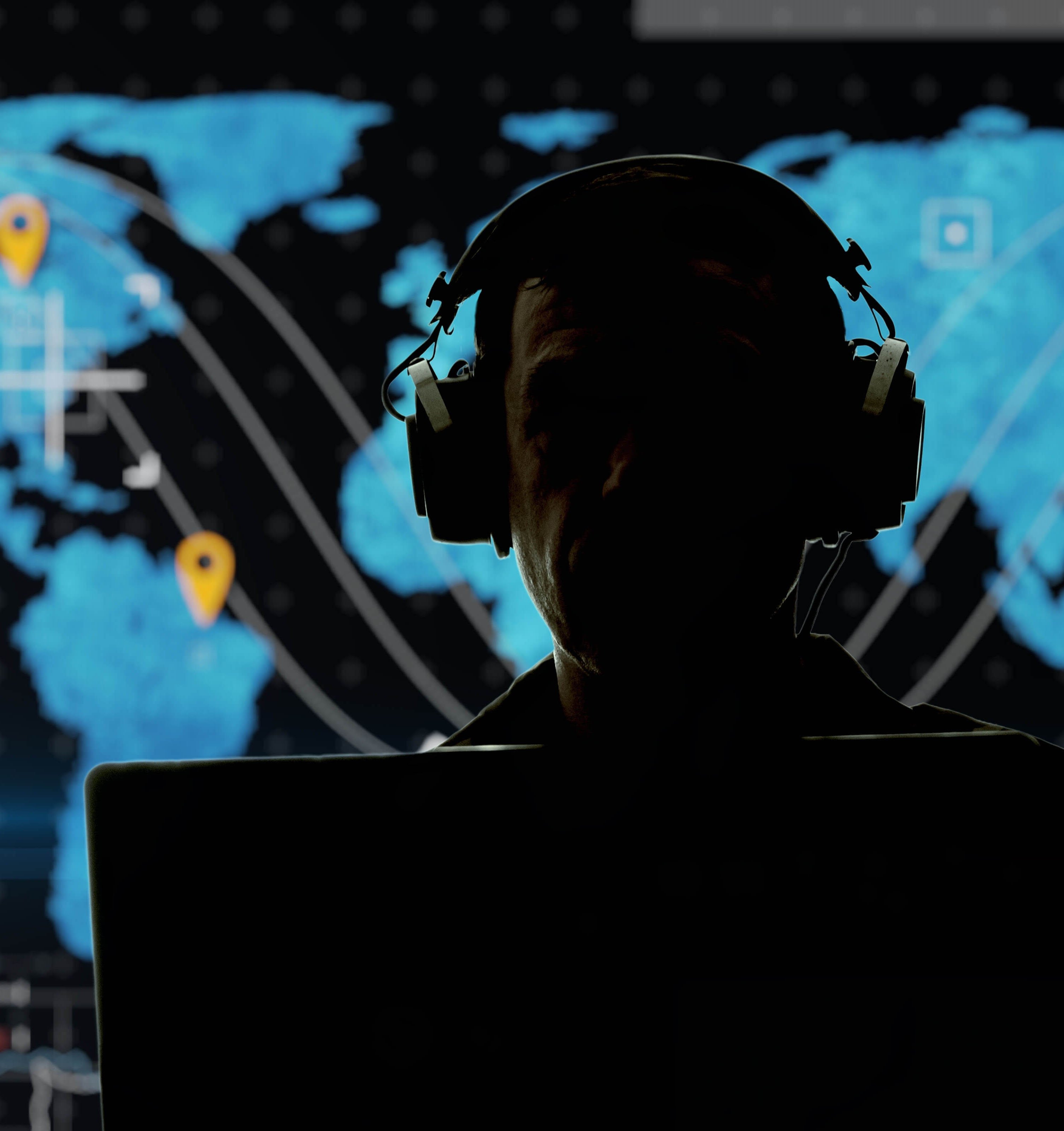
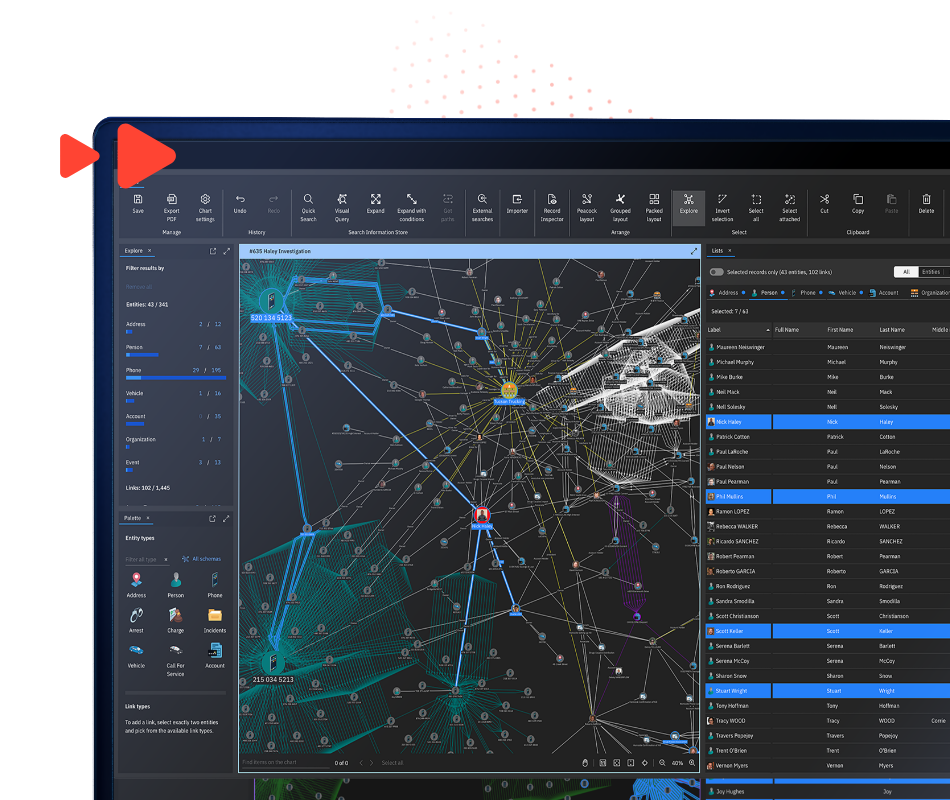
Input a range of data types, from call records, and financial transactions to IP logs and mobile forensics.
Easily uncover key intelligence with temporal, spatial and statistical views.
Visualize complex data in the way that best suits your analysis.
.png?width=1600&height=900&name=Keoghs%20Case%20Study%20(1).png)
Keoghs, a leading provider of legal and claims solutions to the UK insurance industry, uses i2 Analyst's Notebook and iBase to create a unified intelligence environment.
They support investigations into fraudulent insurance claims and help clients identify where fraud risk exists across their operations.
Discover more about our training and professional services...
News, insights and key resources to keep you two steps ahead.

.png?width=500&name=Keoghs%20Case%20Study%20(1).png)



© 2026 i2 Group / N. Harris Computer Corporation. All trademarks owned by N. Harris Computer Corporation.
1 Cambridge Square, Milton Avenue, Cambridge, CB4 0AE, UK